Oil Stocks and OPEC’s Credibility Problem | IFCM
Logo IFCMarkets
NetTradeX for IFC Markets
Trading App
IFC Markets - 外匯交易

Oil Stocks and OPEC’s Credibility Problem

Oil Stocks and OPEC’s Credibility Problem

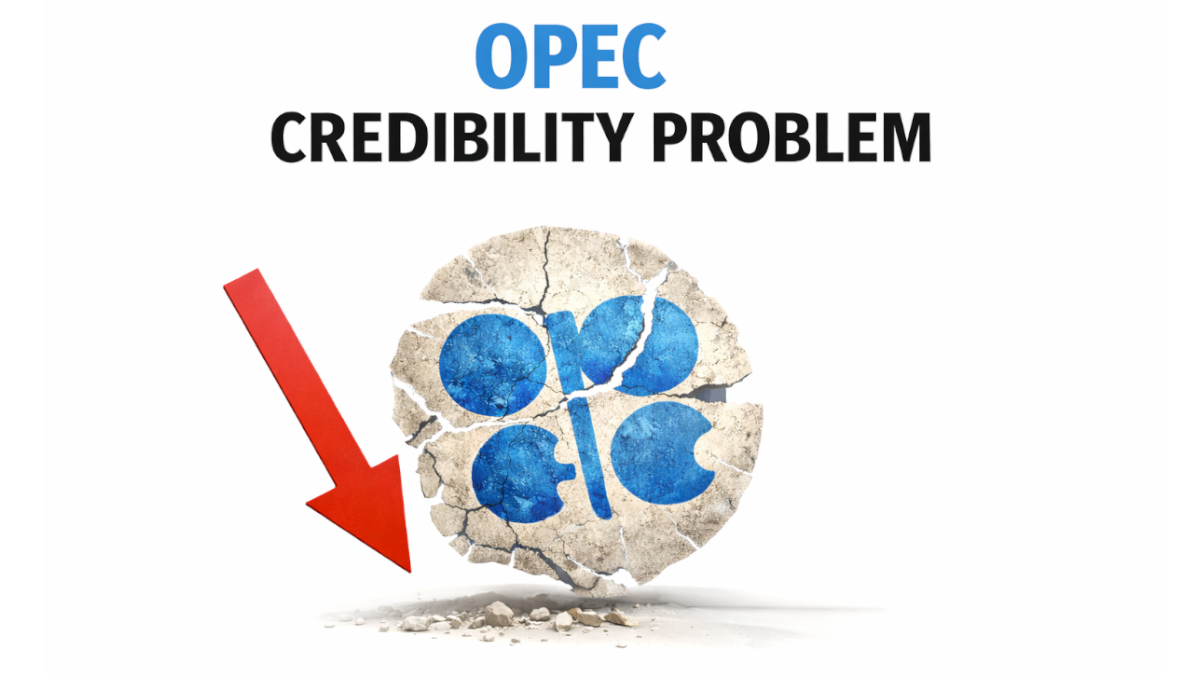
At the end of November, OPEC announced it would keep oil production flat through the first quarter of 2026. Historically, when oil prices fall and oversupply is unavoidable, OPEC resorts to the same tool it always has: production cuts. This time, that didn't happen.

That tells a lot. 
We’re heading toward a projected oil surplus in 2026, yet OPEC didn’t even threaten cuts. That’s unusual and revealing. OPEC’s power over global oil prices is not what it used to be. The organization once terrified the West by turning supply constraints into political leverage. Today, the equation has changed. OPEC now depends on oil prices more than oil prices depend on OPEC.
When OPEC announces production cuts, we are getting skeptical and for good reason. Time after time, promised cuts fail to show up in actual production data. Still, the market keeps falling for it, pushing oil prices higher for a brief moment before reality catches up.

Why does this happen? 
Because OPEC members simply can’t afford to tell the truth. 
Most OPEC nations rely heavily on oil revenues to fund government spending, social services, and political stability. In many cases, oil revenue makes up the majority of national income. Announcing cuts is an attempt to push prices higher is a short-term sacrifice for long-term gain. But few of these governments are financially or politically capable of enduring short term pain. So the cuts remain theoretical.

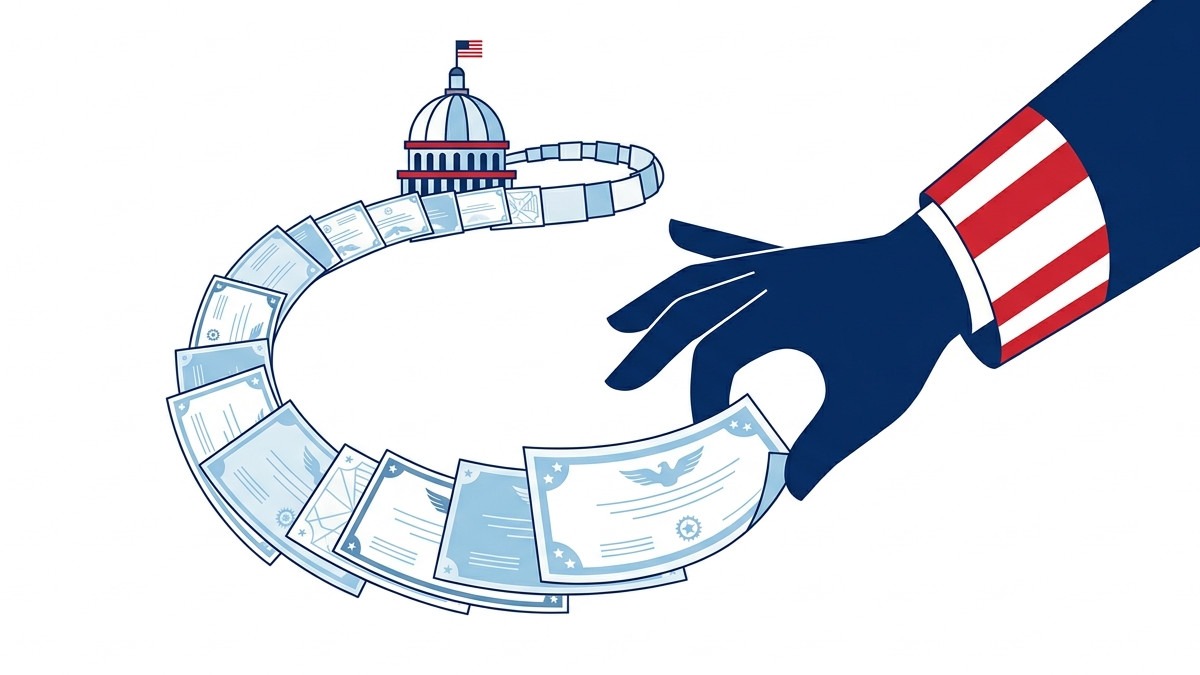
This is very much like the U.S.: politicians promising fiscal discipline they can’t deliver. The incentives don’t align with the rhetoric.

Decades ago, these announcements carried weight. OPEC truly controlled supply. But that era ended with the shale revolution in the mid 2000s. Since then, U.S. oil production and exports have exploded, up roughly 1,000% since 2000. The acceleration over the last 17 years has fundamentally changed the market.
Back in 2008, OPEC controlled more than 40% of global oil supply. The U.S. accounted for about 5%. Today, OPEC’s share has fallen to roughly 35%, while the U.S. has climbed to about 17%. That shift permanently weakened OPEC’s ability to dictate prices through coordinated messaging.

This is why it’s soon chasing oil stocks.

Commodity prices lead equity prices, not the other way around. Until oil itself finds a durable bottom, energy equities won’t offer the margin of safety we are looking for. That’s why the sector should be on your watch list for 2026.
When the opportunity comes, start with the oil services segment of the energy market. These firms are typically the first to benefit when oil prices recover. During downturns, producers defer maintenance and slow drilling activity to preserve cash. Once prices stabilize and begin to rise, that postponed work becomes unavoidable, and service providers see demand return quickly.

Companies in this field restore production, maintain existing wells, and support new drilling projects. It’s a leveraged way to participate in an oil price recovery without betting directly on the commodity itself.
Oil remains one of our favorite sectors. But in energy investing, timing is everything. Expect a more attractive entry point to emerge in early 2026 and when it does, be ready.

For now, patience beats optimism.
Good Luck!

细节
作者
Mary Wild
發佈日期
18/12/25
閱讀時間
-- min

功能強大的新工具 原油 WTI 技術分析

功能強大的新工具 原油 WTI 技術分析

即時技術分析,結合最受歡迎的指標和振盪器進行即時預測.

现在尝试
Accelerometer arrow

試用交易模擬器

0
百分比 1:100
保證金 1000
計算基礎
狀態: 關閉 交易
修改:
上次收盤
開盤價
今日, 最大
今日, 最小
instrument

如果您找不到在睡覺時賺錢的方法, 您將 一直工作到死 .
- 沃倫-巴菲特

instrument
Close support
Call Back